Kool Finds field guide
Clever Kitchen Gadgets That Actually Earn Drawer Space
Nine clever kitchen gadgets judged by the specific problem they solve, how often that problem occurs, and the storage or cleanup tradeoff.
Kitchen drawers charge rent. Any single-purpose tool entering one should solve a recurring annoyance better than the knife, spoon, or container already there. A clever shape is welcome, but only after the job is clear.
These picks are organized around specific friction: hand strain, splatter, awkward storage, jar corners, loose eggs, leftover portions, and separating yolks. None has been personally tested by Kool Finds; factual details come from manufacturer documentation and the approved catalog, while the keep-or-skip judgments are editorial.
What made the cut
Selection criteria
- The tool has a specific repeatable job and a clear mechanism for doing it.
- Storage, cleaning, sizing, compatibility, and single-purpose limitations are stated plainly.
- Playful design is a bonus, not a substitute for function.
- A reader can decide whether the problem occurs often enough in their own kitchen.
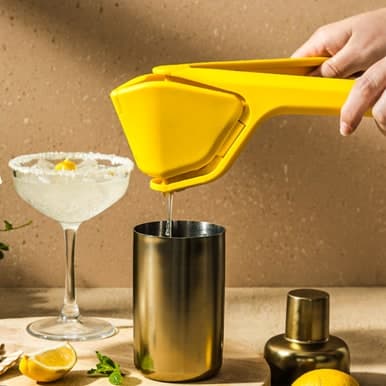
1. For citrus without the drawer hump
Dreamfarm Fluicer
What it is: Dreamfarm's hinged press squeezes cut citrus from the sides and folds completely flat for storage; separate sizes fit different fruit.
Why it made the guide: Traditional handheld presses solve juicing but create a bulky dome in the drawer. Fluicer directly redesigns that storage penalty while preserving leverage.
Who it suits: Someone who regularly juices lemons or limes and dislikes squeezing by hand or storing a bulky press.
Before you choose it: Choose the size for the fruit you actually use, and remember the fruit still needs to be cut in half first.
Read the full Dreamfarm Fluicer notes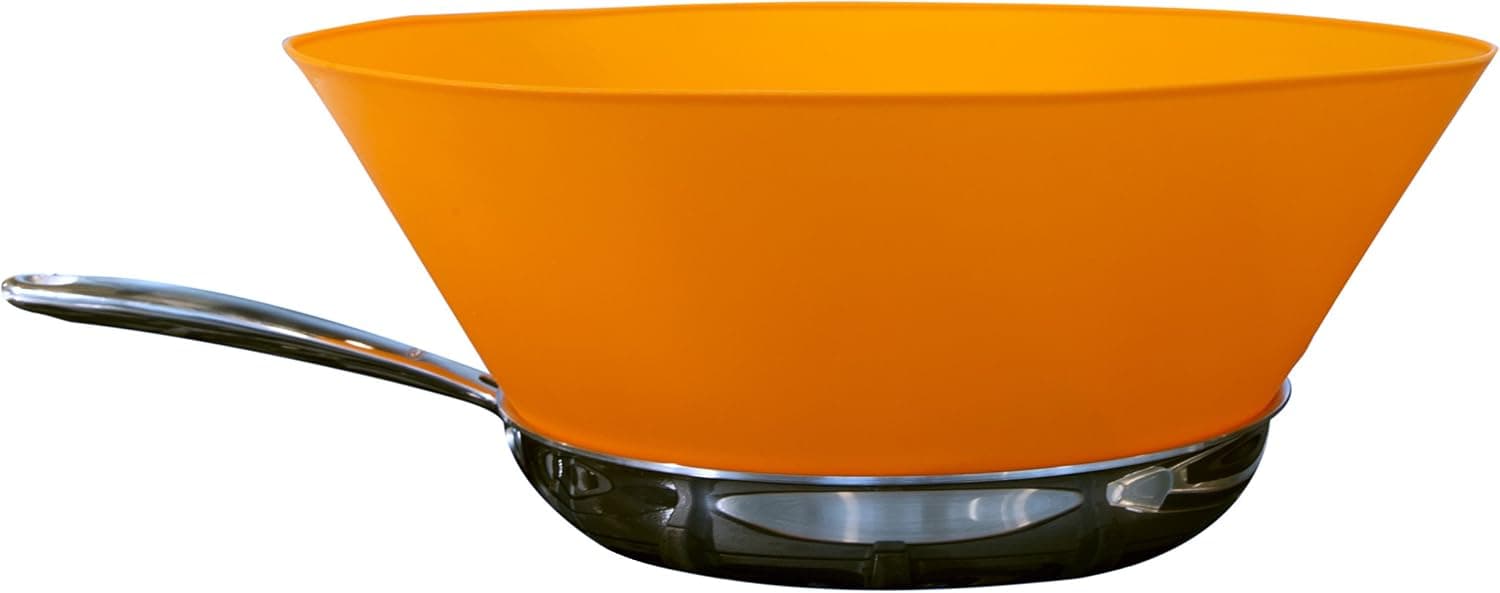
2. For open access without open splatter
Frywall 10-Inch Splatter Guard
What it is: Frywall sits inside a correctly sized pan as a tall silicone barrier, blocks splatter while leaving the cooking surface open, and rolls for storage.
Why it made the guide: A flat splatter screen stops working the moment it is lifted to stir or flip. Frywall changes the geometry so utensils can stay in the pan while the barrier stays up.
Who it suits: A frequent stovetop cook dealing with oil mist, bubbling sauce, or greens that start taller than the pan.
Before you choose it: Pan diameter matters: the 10-inch version needs a compatible lip-to-lip measurement and is not suitable for downdraft stoves.
Read the full Frywall 10-Inch Splatter Guard notes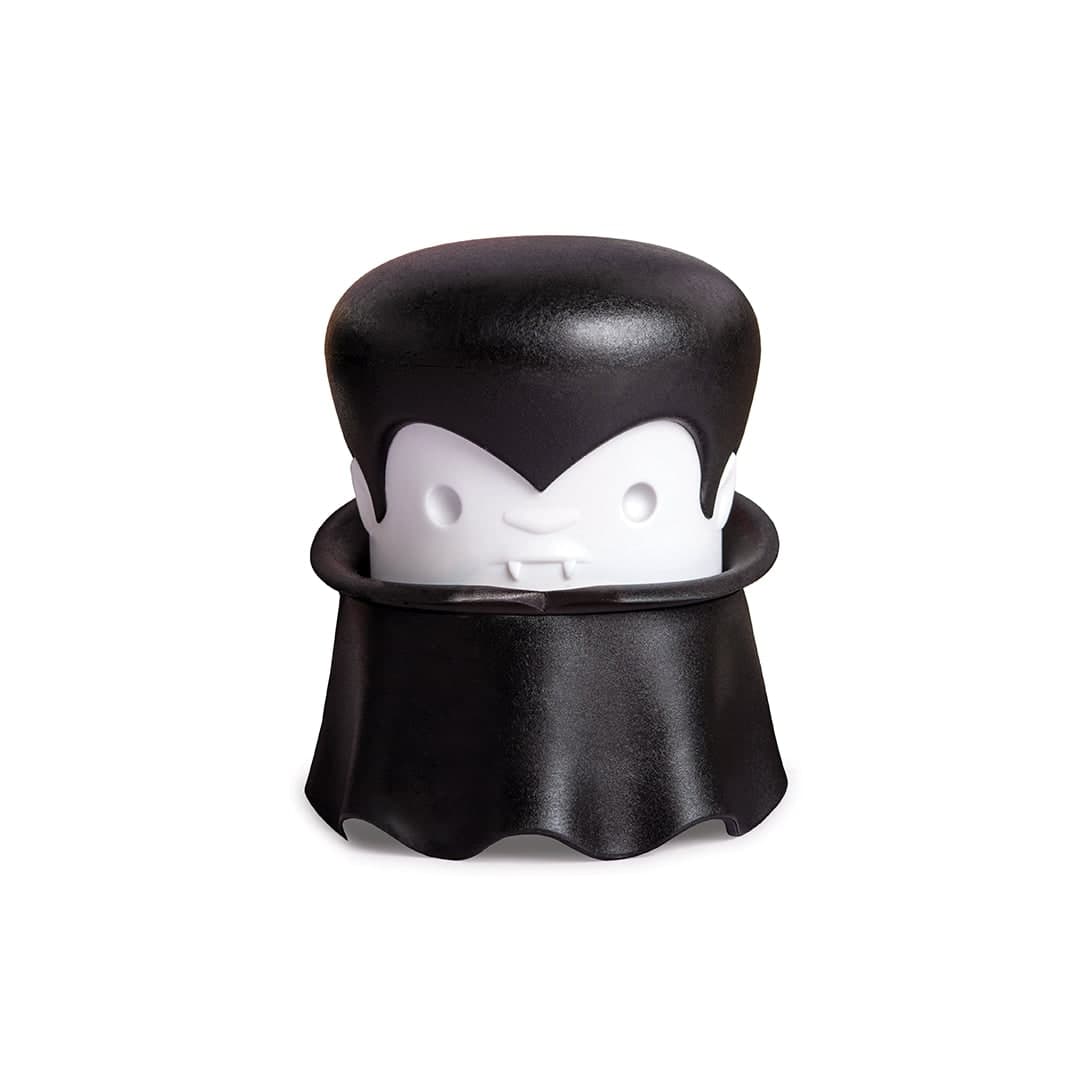
3. For small-batch crushing with a vampire attached
Gracula Garlic Crusher
What it is: Gracula uses a two-piece twisting chamber to crush garlic and other small ingredients; OTOTO recommends hand washing.
Why it made the guide: The joke is unusually coherent with the task, and the compact form avoids the long handles of a press. It earns space only if twisting small batches fits the cook's routine.
Who it suits: A fresh-garlic cook who likes playful tools and does not need food-processor volume.
Before you choose it: The small chamber and hand-twist motion are not ideal for large prep sessions, and cleanup is manual.
Read the full Gracula Garlic Crusher notes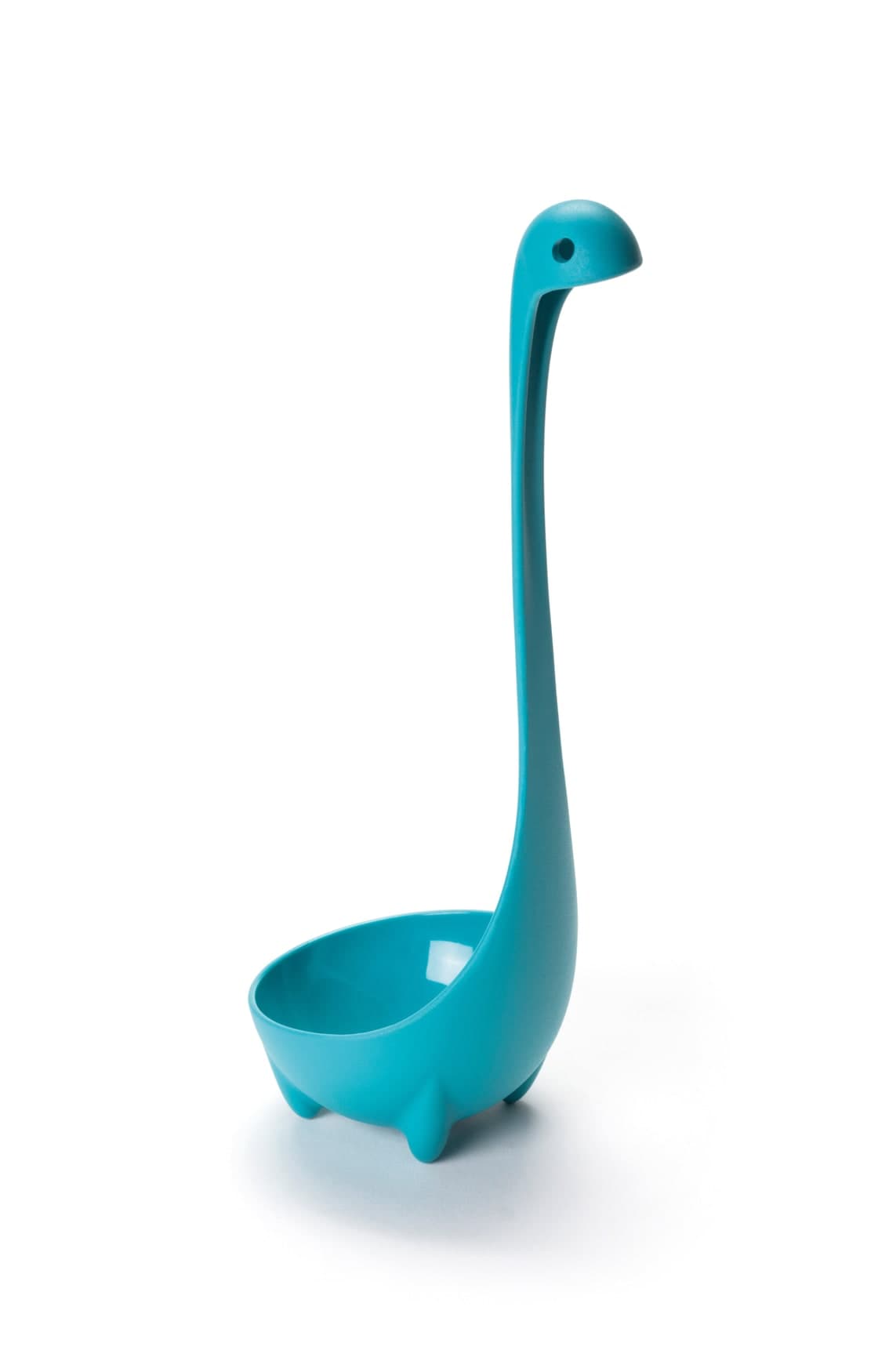
4. For a ladle that can stand by
Nessie Standing Ladle
What it is: OTOTO's 9.6-inch Nessie ladle has four small feet, a long creature-shaped handle, and dishwasher-safe heat-resistant construction.
Why it made the guide: A ladle already has the silhouette of a long-necked creature; the feet give the visual idea a practical reason by letting it stand between servings.
Who it suits: A soup maker who wants one everyday utensil to carry more personality than the rest of the drawer.
Before you choose it: Standing stability depends on the surface and contents, and the playful plastic profile will not suit every minimalist kitchen.
Read the full Nessie Standing Ladle notes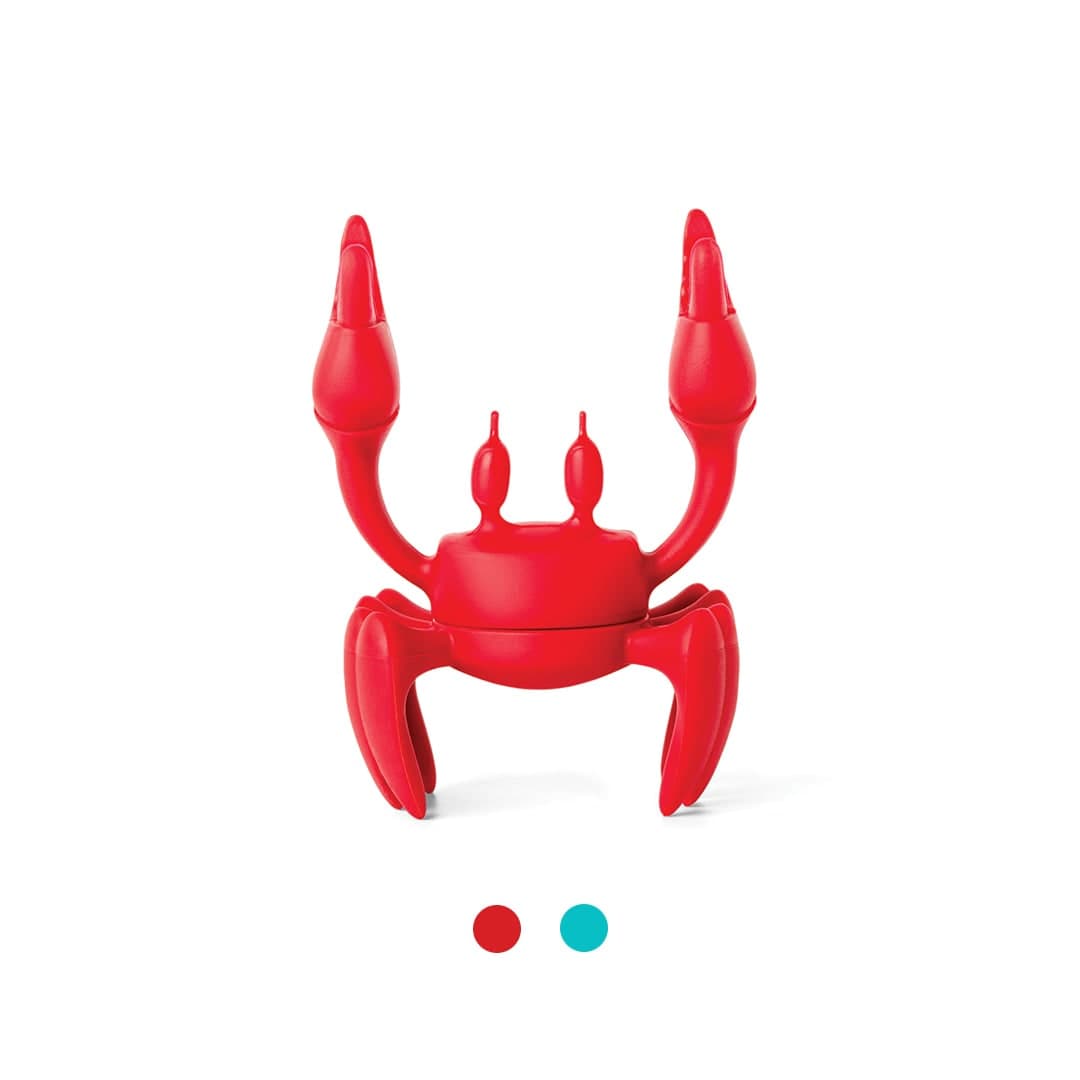
5. For spoon drips and lid steam
Red Crab Spoon Holder
What it is: The silicone Red crab clips to cookware, holds utensils in its claws, and can prop a lid open to create a steam gap.
Why it made the guide: One small object addresses two related moments at the same pot: where the wet spoon goes and how a lid can vent without being removed.
Who it suits: A cook who repeatedly leaves sauce-covered utensils on the counter or improvises a lid gap with a wooden spoon.
Before you choose it: Fit will vary with cookware and utensil shape; a countertop spoon rest remains simpler if lid venting is never needed.
Read the full Red Crab Spoon Holder notes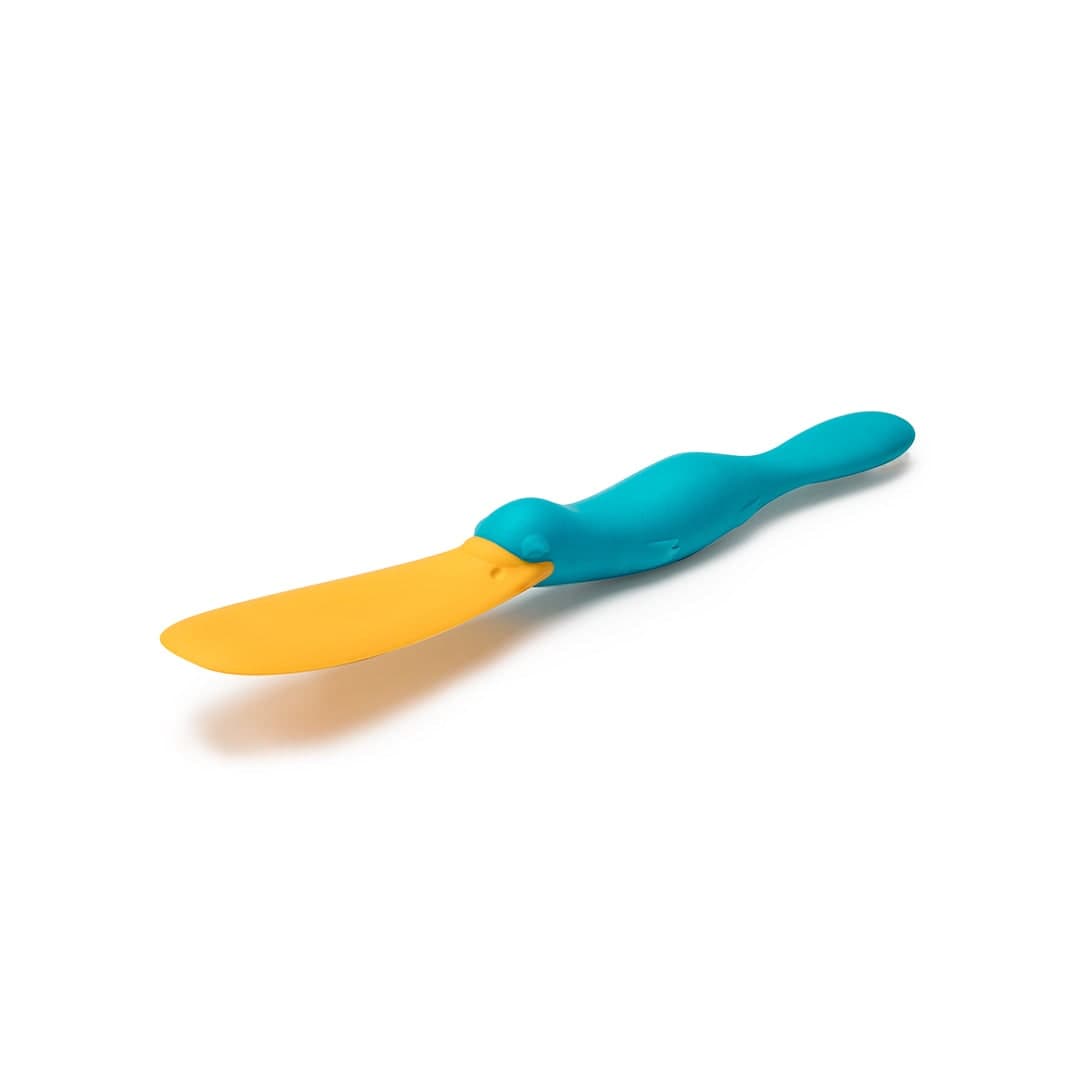
6. For the last swipe in narrow jars
Splatypus Jar Scraper
What it is: Splatypus combines a slim plastic handle with a flexible silicone scraping end and is dishwasher safe.
Why it made the guide: The narrow profile reaches corners and shoulders that a table knife handles poorly. Its value rises with every deep jar of nut butter, jam, or condiment in the house.
Who it suits: A frequent jar user, lunch maker, or cook tired of leaving one visible serving behind the shoulder of the container.
Before you choose it: It is deliberately narrow and single-purpose; large mixing bowls still call for a conventional spatula.
Read the full Splatypus Jar Scraper notes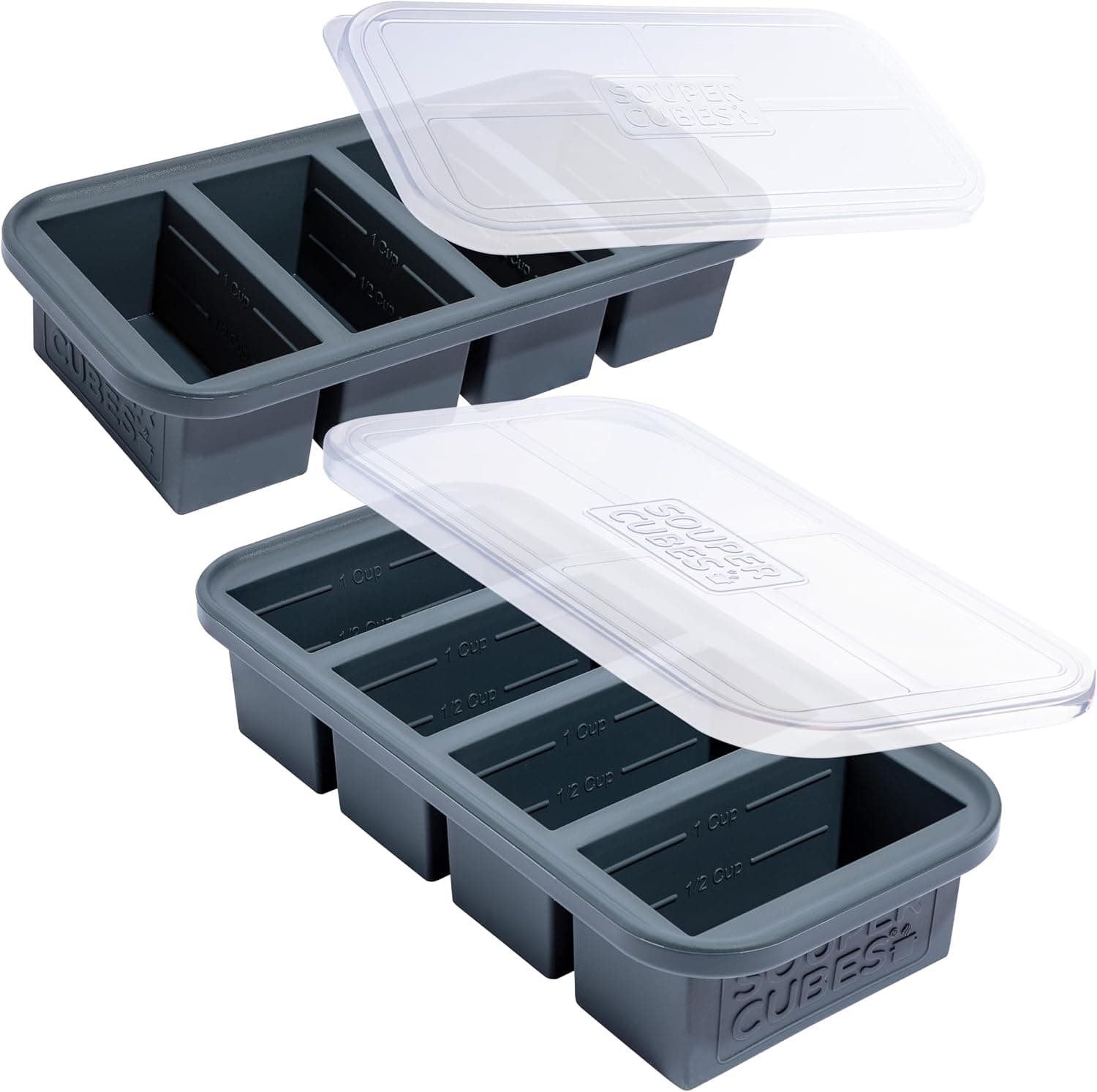
7. For leftovers that should become portions
Souper Cubes One-Cup Freezer Trays
What it is: Souper Cubes' lidded silicone tray freezes four measured one-cup portions, includes half-cup fill lines, and uses a steel-reinforced frame.
Why it made the guide: The product converts a large batch into stackable units that can be removed and reheated separately. It solves portioning and freezer geometry at the same time.
Who it suits: A batch cook, small household, caregiver, or anyone who freezes soup, sauce, stock, grains, or leftovers in useful increments.
Before you choose it: A full tray takes freezer space during the initial freeze, and the rigid one-cup format is excessive for ingredients normally used by the spoonful.
Read the full Souper Cubes One-Cup Freezer Trays notes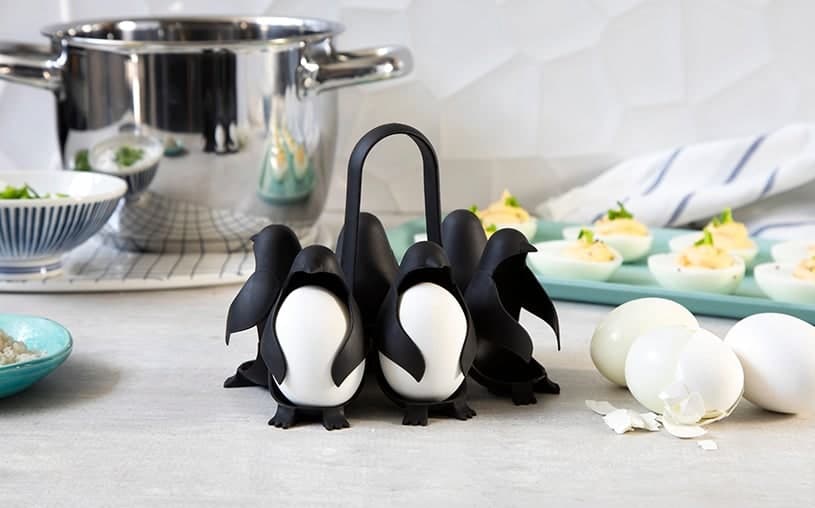
8. For moving six hot eggs at once
Egguins Egg Holder
What it is: Egguins holds up to six large eggs together for boiling, serving, and refrigerator storage, with a heat-resistant carry handle.
Why it made the guide: The penguin colony is memorable, but the handle is the actual argument: it moves the batch as one unit instead of requiring tongs and a balancing act.
Who it suits: Someone who boils eggs frequently enough that loading, lifting, and storing six at a time is a recurring routine.
Before you choose it: It consumes pot and refrigerator space as a group and is optimized for large eggs, so occasional one-egg cooks can skip it.
Read the full Egguins Egg Holder notes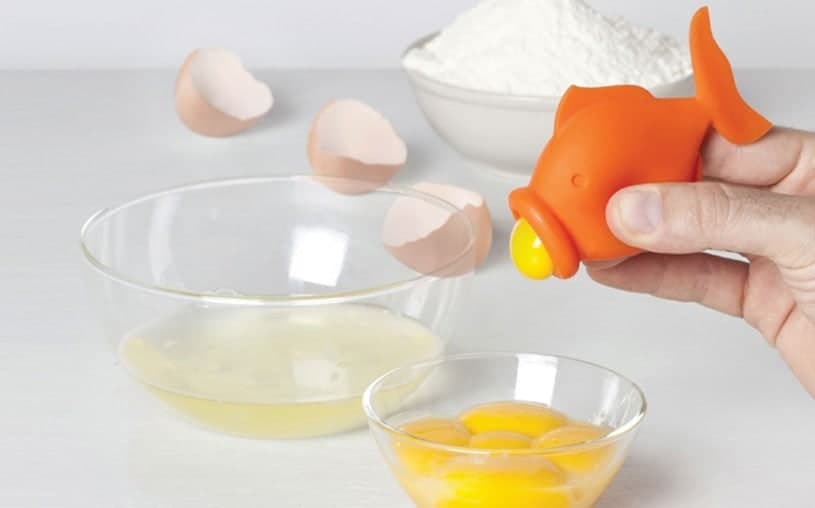
9. For yolks without shell-to-shell juggling
YolkFish Egg Separator
What it is: The food-safe silicone YolkFish separates an egg by using squeeze-and-release suction to draw the yolk through its mouth.
Why it made the guide: The fish face makes the mechanism obvious: squeeze, approach the yolk, release, transfer. It avoids passing a delicate yolk between sharp shell edges.
Who it suits: A baker or cook who separates eggs often and prefers a dedicated silicone tool to the shell or clean-hand method.
Before you choose it: It solves one narrow task and must be cleaned promptly; confident shell separators may not gain enough to justify the space.
Read the full YolkFish Egg Separator notesThe drawer-space test
Count frequency before charm. A daily lemon squeezer can justify a dedicated tool more easily than an egg separator used twice a year. Then count friction: if setup and cleanup take longer than the old method, the clever mechanism will eventually become drawer archaeology.
The strongest picks here either collapse for storage, combine related jobs, move a whole batch safely, or make measured portions easier to use later. The creature shapes are welcome. The solved problem is the lease.